Ich habe mir im August 2018 einen Ford Focus Turnier III gekauft, da der CL203 den TüV im Januar nicht mehr überstanden hätte, da zu viele Reparaturen / Austausch / Schweißarbeiten aufgrund von Rost notwendig gewesen wären. Halt ein typischen Problem von pre 2004 Facelift Modellen. (hintere Seitenteile / Radlauf beidseitig; Fahrertür, Beifahrertür [Spätestens zum darauffolgendem TüV]; etc.)
Aber zurück zum Ford.
Technische Daten:
- 5 Türer
- 6. Ganggetriebe
- 2 Liter Diesel
- 150PS @3500rpm
- 370Nm @2000rpm
- Turbo Aufgeladen
- Baujahr 2015
- Euro 6
-

Für mich waren folgende Punkte endscheidend, er wurde vom Vorbesitzer genutzt (116.000km in 3 Jahren), Firmenwagen (immer Ford Werkstatt & Regelmäßige Wartung), Diesel mit 2l über 350nm, Schaltgetriebe, kein VAG Fahrzeug, keine unnötiger Assistenskram.
Daher hat meiner das Facelift Navi (was ich nicht benutze -> Papier), Winterpaket (Lederlenkrad [beheizbar], Frontscheibe beheizbar, Sitzheizung), USB/SD für Audioinput/Aux, Bluetooth Freisprecheinrichtung, 60l Tank, basis Tempomat (Limiter & cruise/selbstziehend), Klimaanlage (abschaltbar).
Der Händler wollte es mir aber erst nicht gern verkaufen, wegen der Kilometeranzahl, aber da ich es selbst für Langstrecke nutzen will, gibt es dann trotzdem. Er wollte mir die kurze Version mit der 120PS Luftpumpe, Automatik & Vollausstattung andrehen.
Ich fahre es nun seit rund 23.000km und kann nun folgendes darüber sagen
Eigenschaften die mir positiv aufgefallen sind:
- gutes Platzangebot vorne & hinten
- geräumige Laderaum (Eurokisten passen rein)
- fast ebene Ladefläche bei umgeklapter Rückbank (könnte aber noch 10-20cm länger sein)
- gute Klimaanlage & Heizung
- fährt sich beim Rangieren kleiner als er ist
- mit vier Personen nutzbar
- Verbrauch bei Vollgas nur ca. 9l
Folgende Eigenschaften befinde ich für durchschnittlich:
- Motor zieht gut durch, könnte aber obenrum mehr (Software inkomming – Ziel 170/180PS & 400-450nm)
- Spritverbrauch bei durchgehend sportlicher Fahrweise bei
- ca. 7-8 Liter im Durchschnitt
- Bremse könnte sportlicher sein
Folgende Eigenschaften sind mir negativ aufgefallen:
- bei längerer Fahr zieht der Motor ab 180km/h nicht mehr voll durch, wenn es draußen über 28°c ist auch
- die angeschraubte Antenne passt nicht ins Gesammtbild
- ESP nicht vollständig abzuschalten
- schlechte Fahrbarkeit mit kleinen Reifen (ab 195er oder kleiner)
Folgende Eigenschaften fehlen mir:
- 7. Gang
- Anhängeküpplung
- größerer Ladeluftkühler für länger Vollgasfahrten für über 160km bei min. 180km/h
Das „Problem“ mit der Reifengröße habe ich bei mir nicht, da ich 215er (Sommer) / 205er (Winter) fahre, vielleicht rüste ich aber auf 225/235er auf 17/18″ um.
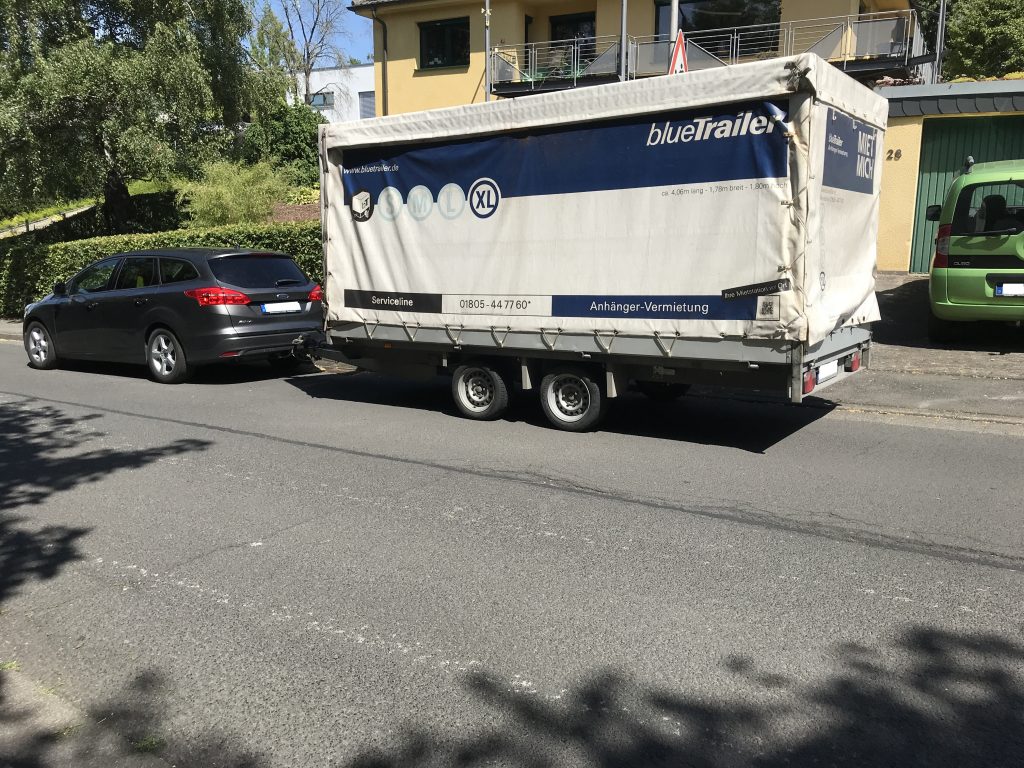
Habe mir auch schon einen Dachgepäckträger besorgt und damit einen IBC Container (leer) auf dem Dach mitgenommen. Ist also zum Vielfahren & Transportieren geeignet, nächstes mal aber vielleicht doch noch etwas größer (Mazda 6, Mondeo, etc.). Ebenso bin ich gespannt, wie gut es mit Anhänger funktioniert, soll ja 1500/1800kg ziehen können.
Update Juli 19
Anhängeküpplung ist dran und tut ihren Dienst.